

Living Room Furniture: Tips for Coordinated Styling
Your living room is the heart of your home — the space where families gather, guests are welcomed, and everyday life unfolds. Yet even the most beautiful individual furniture pieces can fall flat if they don't work together as a whole. Coordinated styling is what transforms a room full of nice things into a space that feels intentional, balanced, and inviting. Below, we break down the key principles and practical tips for coordinating living room furniture like a pro.
Why Coordinated Styling Matters
A living room with mismatched scale, clashing colors, or a disjointed layout can feel chaotic, even if every piece is individually attractive. Coordinated styling creates visual harmony, guides the eye naturally through the space, and makes a room feel finished rather than assembled piece by piece. It also makes future updates easier, since you're working within a cohesive framework rather than starting from scratch each time.
1. Start With a Cohesive Color Palette
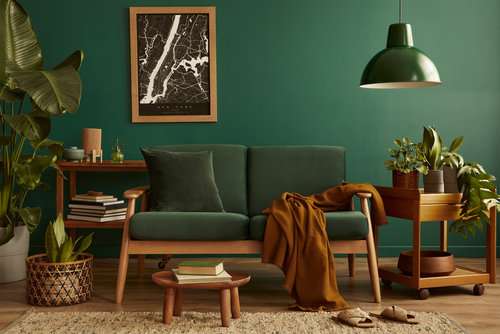
Color is the fastest way to unify a room.
• Choose a base neutral (beige, gray, white, or greige) for large pieces like sofas and sectionals, since these are the most expensive and hardest to change.
• Layer in an accent color through throw pillows, an area rug, or a statement chair.
• Repeat colors at least three times throughout the room — for example, if you use a deep blue accent chair, echo that blue in a vase, a piece of art, or curtain fabric.
• Stick to warm or cool undertones consistently; mixing warm wood tones with cool-toned metals can feel disjointed unless done deliberately.
2. Balance Scale and Proportion

Furniture that's mismatched in size is one of the most common styling mistakes.
• A large sectional paird with a tiny coffee table will look out of balance. Take note to aim for a coffee table that is roughly two-thirds the length of your sofa.
• Tall pieces, like bookshelves & floor lamps, should be balanced across the room rather than clustered on one side.
• In smaller rooms, choose furniture with visible legs to create a sense of airiness rather than bulky, floor-hugging pieces.
3. Mix Textures, Not Just Colors
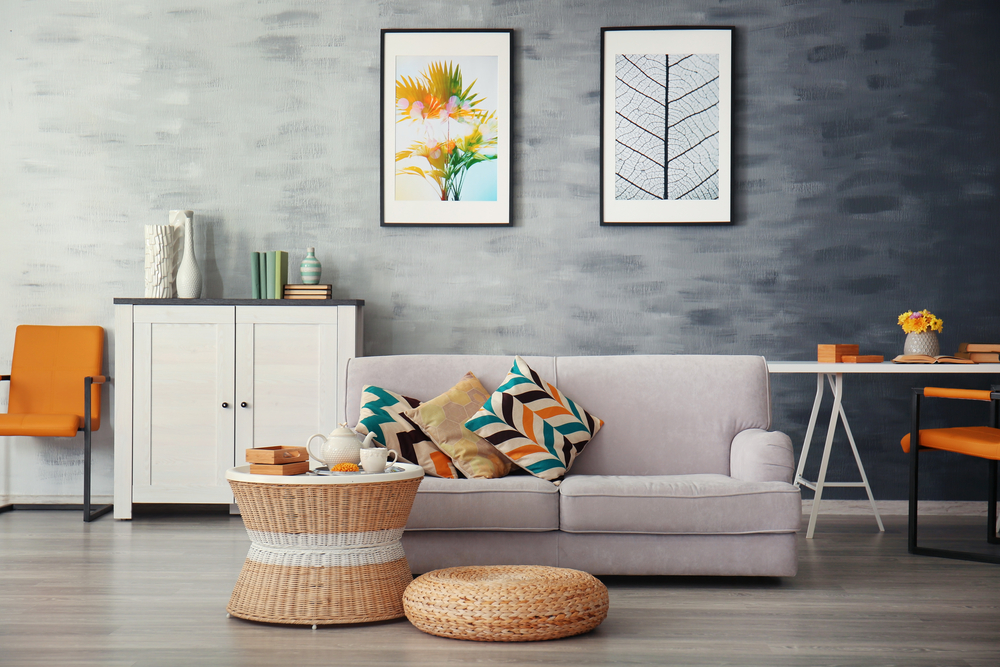
A monochromatic room can still feel dynamic when you introduce
• Pair a smooth leather sofa with a woven jute rug and a chunky knit throw.
• Combine matte and glossy finishes.
• Introduce natural materials like wood, rattan, or stone to soften a room dominated by fabric and upholstery.
4. Choose a Unifying Design Style

Whether your taste leans modern, traditional, transitional, or bohemian, consistency in style language keeps a room from feeling random.
• Modern: clean lines, minimal ornamentation, neutral palettes with bold accents.
• Traditional: classic silhouettes, richer wood tones, symmetry.
• Transitional: a blend of modern simplicity and traditional comfort — ideal for mixing old and new pieces.
• Bohemian: eclectic mixes of pattern, color, and global-inspired decor, unified through a consistent color story.
You don't need every piece to match exactly, but they should feel like they belong to the same design conversation.
5. Anchor the Room with a Focal Point
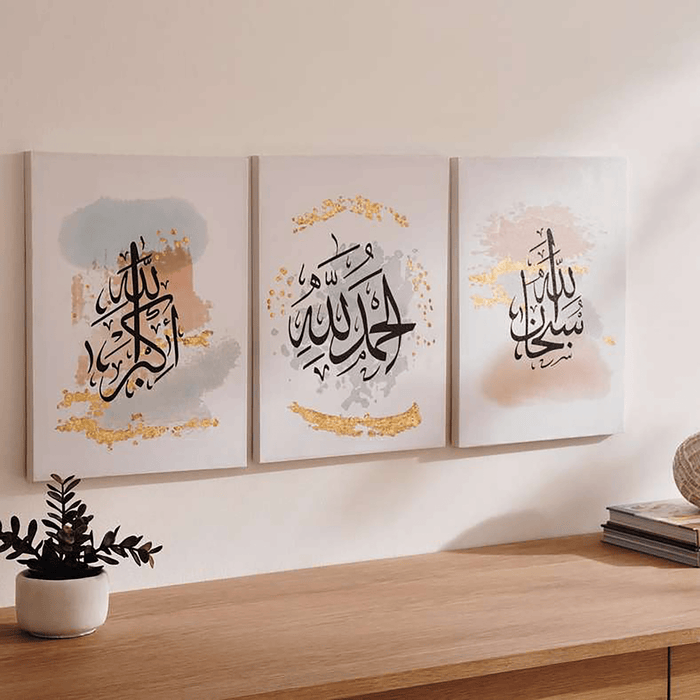
Every well-styled living room has a clear focal point — a fireplace, a media wall, a large window, or a statement art piece.
6. Layer Lighting for Warmth and Function
Lighting ties furniture together and sets the room's mood.
• Combine ambient (overhead), task (reading lamps), and accent lighting (sconces or picture lights).
• Choose lamp finishes that echo other metals in the room, such as brass or matte black hardware.
• Dimmable lighting allows the same furniture arrangement to feel different for movie nights versus daytime gatherings.
7. Use Rugs to Ground the Layout
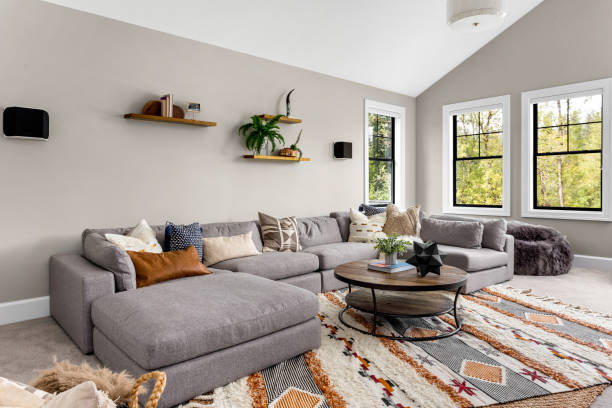
An area rug isn't just decorative. It helps bring the focus into the seating zone.
• Ensure the rug is large enough that at least the front legs of your sofa and chairs sit on it; a rug that's too small will make furniture look like it's floating.
Coordinate the rug's color palette with your existing furniture rather than treating it as an afterthought.
Final Thoughts
Coordinated living room styling comes down to a few repeatable principles: a unified color palette, balanced scale, varied texture, a consistent design style, a strong focal point, layered lighting, and a well-placed rug. Apply these tips gradually — you don't need to redecorate all at once. Start with your color palette and a focal point, then build outward, and your living room will feel pulled-together in no time.
Ready to bring these ideas to life? Shop the full collection of sofas, coffee tables, rugs, lighting, and decor at SetInOne.ae and find coordinated pieces designed to work together seamlessly. Browse our living room furniture range to find your perfect anchor piece, or explore our decor and accessories to add the finishing touches your space needs. Visit SetInOne.ae today and start styling a living room you'll love coming home to.
